
Runner’s knee (medically known as patellofemoral pain syndrome) causes pain around or behind the kneecap, especially during running, stairs, or squatting. Patellofemoral pain syndrome is one of the most common causes of knee pain in active adults. Despite the name, you don’t have to be a runner to develop it. Anyone who loads the knee repeatedly can experience this condition.
The pain usually appears around or behind the kneecap, especially during activities like:
• Going up or down stairs
• Squatting
• Running
• Lifting
• Sitting for long periods (“movie goer’s knee”)
• Playing sports like Soccer, Tennis, Volleyball, Pickleball, Lacrosse, Track (any sport involving running or jumping)
What Causes Runner’s Knee?
Runner’s knee is rarely caused by one single issue. It’s usually a combination of factors that change how the kneecap tracks over the femur. The kneecap rests in a groove in front of your knee joint. When your knee bends and straightens, the kneecap slides within the groove to adjust to the movement, but when there is a muscle imbalance (one side of the knee has stronger muscles than the other side) or if you load the knee too much, the kneecap doesn’t glide smoothly in its groove or has increased force through the kneecap, leading to irritation and pain.
Here are the most common contributors:
• Weak hip muscles — especially the glutes, which control knee alignment
• Tight quads or IT band — pulling the kneecap out of its ideal position
• Overuse or sudden training increases — too much too soon
• Poor running mechanics — such as overstriding
• Flat feet or collapsing arches — increasing inward knee movement
• Previous injuries — which change how you move
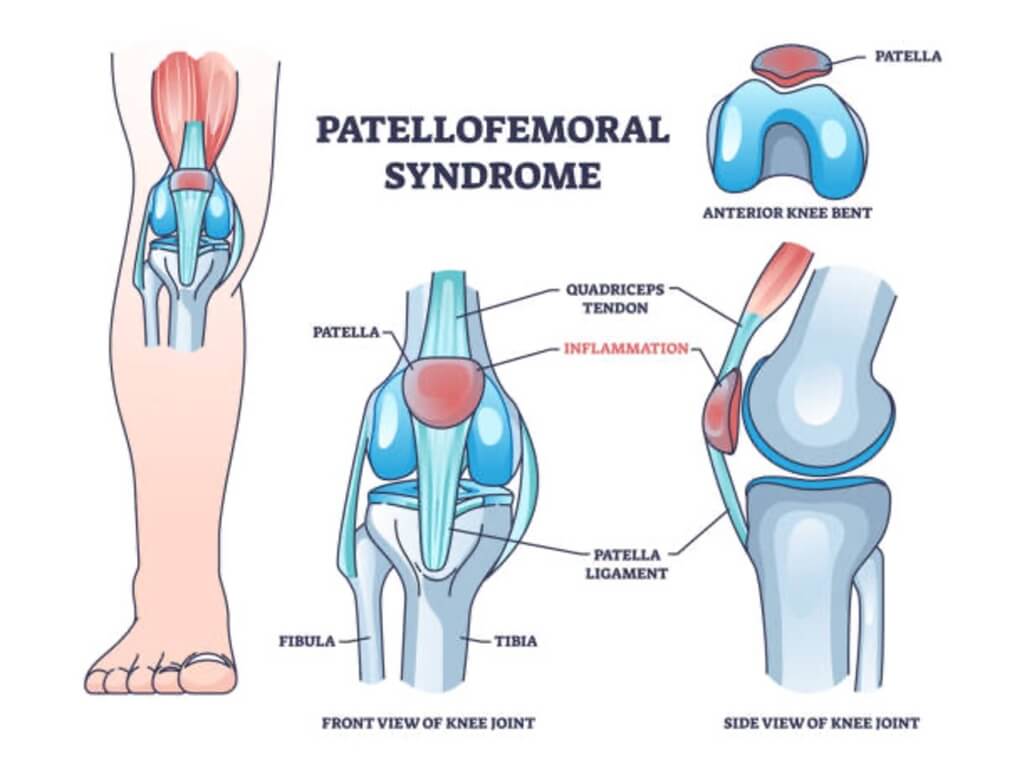
Common Symptoms of Runner’s Knee
People with runner’s knee often describe:
• A dull ache around or behind the kneecap
• Pain during stairs, squats, or hills
• Clicking or grinding sensations
• Knee stiffness after sitting
• Pain that improves with rest but returns with activity
If these symptoms sound familiar, physiotherapy is one of the most effective ways to treat them.
How Physiotherapy Helps Runner’s Knee
Physiotherapy targets the root causes of runner’s knee as well as the symptoms.
A physiotherapist will assess:
• Hip and quad strength
• Knee alignment
• Foot mechanics
• Running technique
• Flexibility and mobility
Treatment typically includes:
• Strengthening exercises for hips, glutes, and quads
• Manual therapy,soft tissue massage, and manual specific stretches to reduce stiffness of the kneecap and improve length and flexibility of the Quadriceps muscles and Iliotibial Band.
• Taping to improve kneecap tracking
• Movement retraining/Neuromuscular training(focusing on where your limbs are in space for alignment) for running or daily activities
• Modalities(pain relieving machines) -like Bioflex Laser or Class 4 Laser, ultrasound for healing and reducing inflammation around the kneecap/patellae.
• A personalized exercise plan to prevent recurrence
Physiotherapy is highly effective because it restores proper movement patterns and reduces stress on the kneecap.
Can You Keep Running With Runner’s Knee?
In many cases, yes but with modifications. If the symptoms are really acute however, it may be suggested that you take a short running break to allow the physiotherapy treatment to start to reduce the inflammation and address the causes of the problem. A physiotherapist can help you modify your training load, adjust your running form, and strengthen the right muscles so you can stay active safely.
If pain is sharp, worsening, affecting daily life, and been lingering for awhile you should consider a Physiotherapy assessment.
How Long Does Runner’s Knee Take to Heal?
Recovery time varies, but most people improve significantly within 4–8 weeks with proper physiotherapy and exercise progression. Chronic cases may take longer, especially if underlying weaknesses or movement issues have been present for years.
Preventing Runner’s Knee From Coming Back
Once symptoms improve, prevention is key. Continuing with some aspects of your program will be important. Our physiotherapy team will be there to advise you throughout the process.
