
Lower back pain that shows up when you’re standing or walking is one of the most common complaints physiotherapists treat. The pain can feel sharp, achy, stiff, or like your back is “locking up.”
Here are the most common reasons:
1. Facet Joint Stiffness
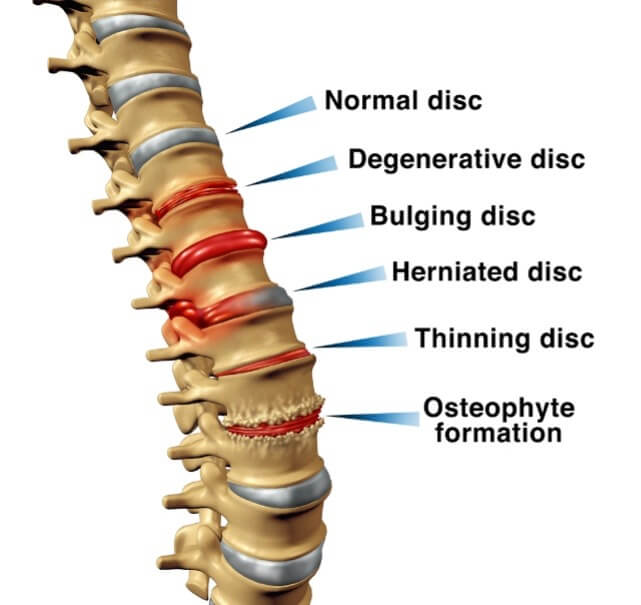
The small joints on the sides of your spine can become stiff or irritated, especially after long periods of sitting. When you stand, these joints compress and can trigger pain. The capsule surrounding each joint changes as we age, becoming less flexible, leading to complaints of stiffness as well. If the discs, or cushion between your vertebrae is degenerated, or flatter than it should be, the small facet joints to the right and left of your spine will be loaded more as we stand, leading to pain with standing.
2. Weak Core or Glute Muscles
If your stabilizing muscles aren’t doing their job, your lower back takes on more load than it should — especially when you’re upright. It is important to continue strengthening your core muscles at all ages, especially if you have a job where you still all day and don’t use your core muscles, a job that is very physically demanding requiring good core strength, or if you have a sport or recreational activity that you enjoy.
3. Disc Irritation/Nerve Irritation
Standing or walking can increase pressure on spinal discs, especially if there’s inflammation. When you are standing, gravity acts downward on your spine which may increase pressure on the discs that sit between your vertebrae’s. If the disc is irritated and you are standing or walking, you can also experience bulging of the disc, which can touch the nerve that sits beside the disc. When a nerve is aggravated, you may feel pain, numbness, or tingling down your leg. This is often referred to as sciatica or irritation of the nerve which originates close to your spine.
4. Poor Posture or Alignment
A forward tilted pelvis, rounded shoulders, or flat feet can all change how your spine absorbs force. Poor posture also loads your spine more than needed. During long periods of walking or standing, be mindful of your posture, and always wear good footwear that will help absorb the shock of your foot hitting the ground, to minimize the impact of your step on your ankles, knees, hips, and low back.
Physiotherapy is one of the most effective treatments for these types of pain because treatment will target the root cause.
A physiotherapist will:
• Assess your posture, mobility, and movement patterns
• Release tight muscles and stiff joints
• Strengthen a weak core and your hip muscles
• Teach you how to move without triggering pain
• Provide exercises that prevent the pain from returning
• Recommend pain relieving machines to help you along the way
• Recommend traction or spinal decompression to help reduce inflammation
When to See a Physiotherapist
If your pain has lasted more than a week, keeps coming back, or affects your daily activities, it’s time to get help. There are many ways to help to get rid of your pain, so do not feel that living in pain is normal. We are happy to help. You won’t be disappointed.

